
Choosing between Invisalign and traditional braces usually starts with one practical question: which option will fit your life best? Both can straighten your teeth, improve your bite, and support better oral health, but they work in different ways and ask different things from the patient.
For many Philadelphia patients, Invisalign treatment is appealing because the trays are clear, removable, and easier to work around during meals, photos, meetings, and social plans. Traditional braces remain a reliable choice for more complex movement because brackets and wires stay fixed to the teeth and guide them consistently.
The comparison is rarely something as simple as Invisalign vs. braces. Some patients want the discretion of clear aligners, while others need the control of metal, ceramic, or lingual braces, or another orthodontic treatment approach. At Dentistry for Life in Philadelphia, PA, the goal is to help patients understand their options clearly before choosing a treatment plan.
How Invisalign Works
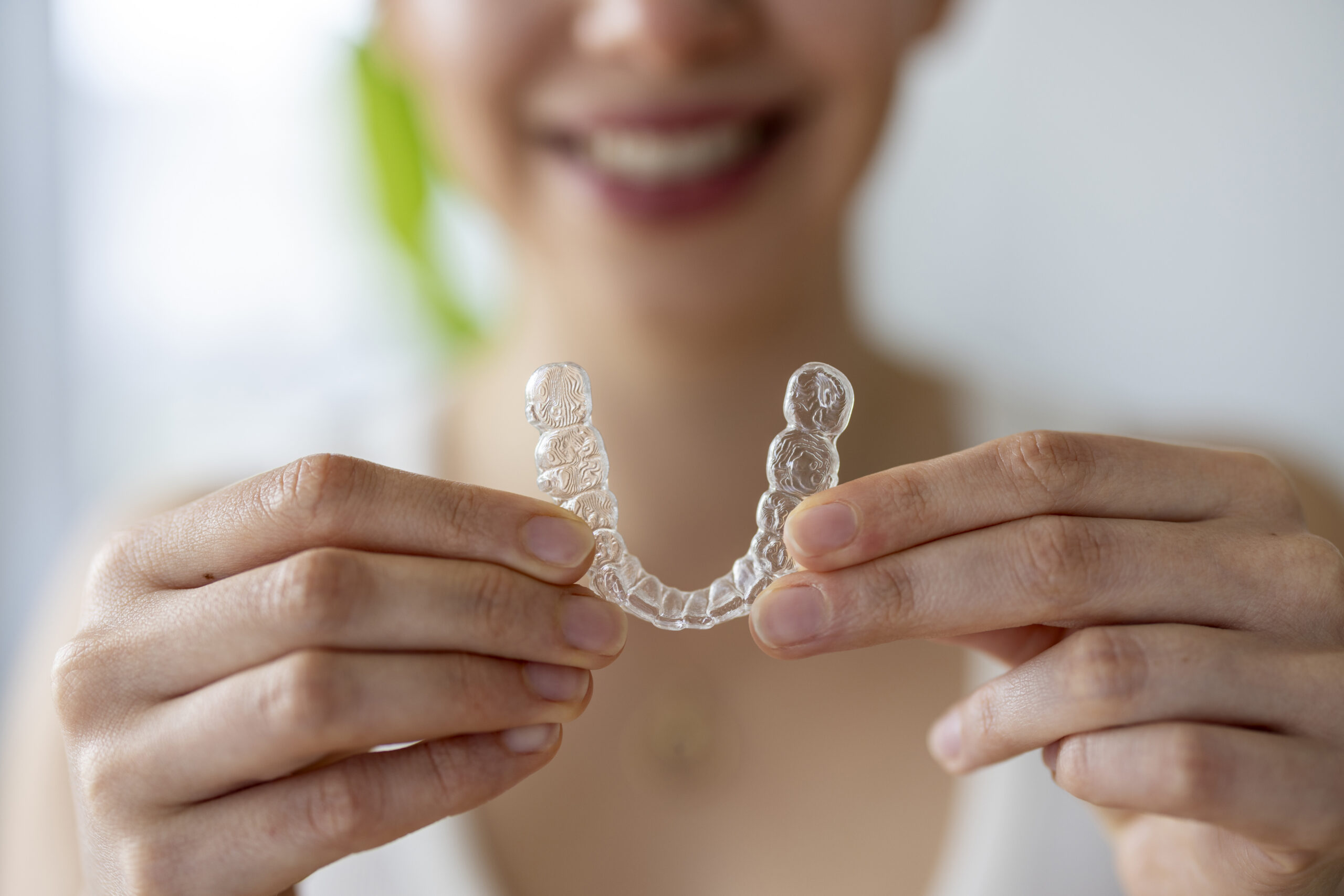
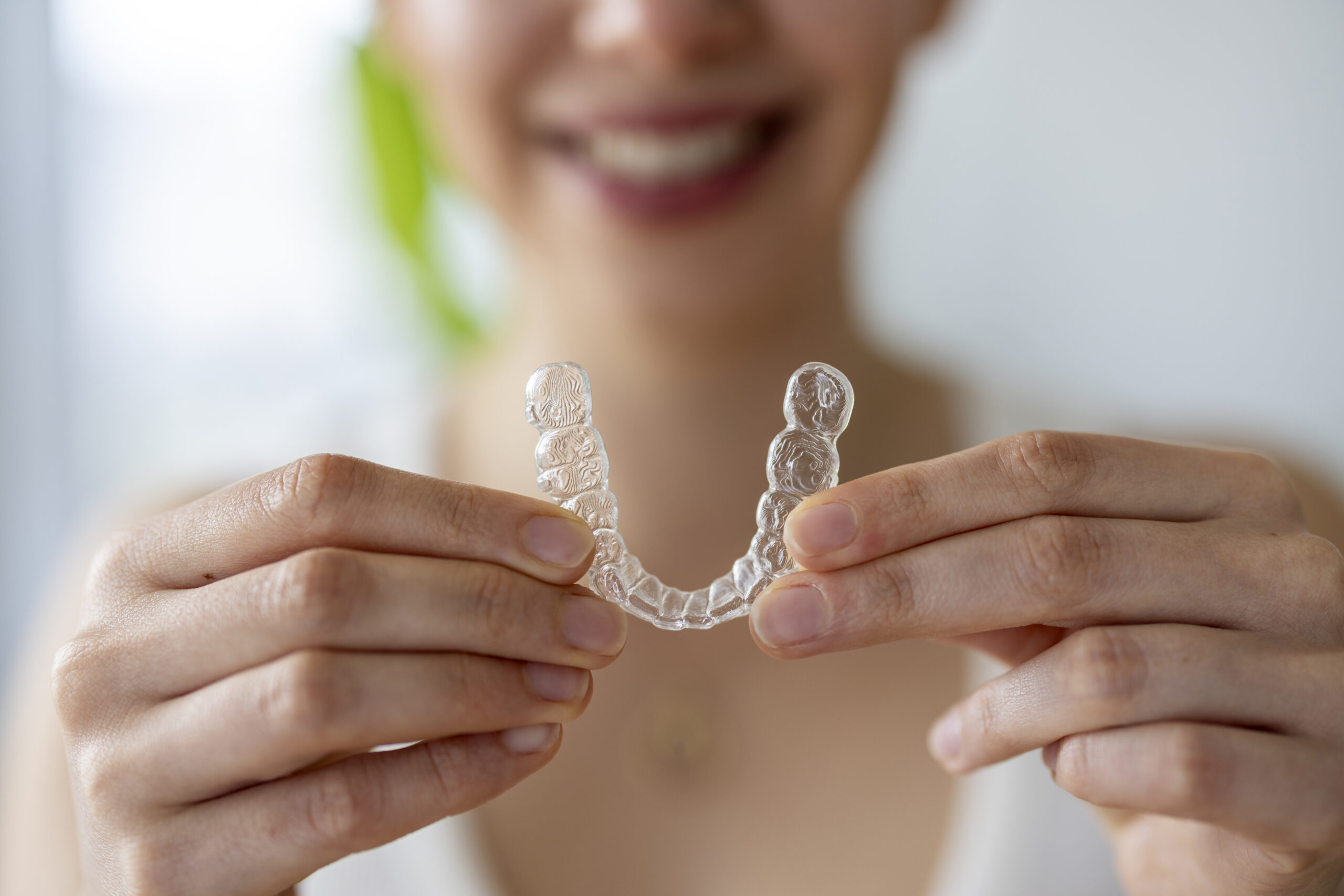
Invisalign uses a series of customized aligners to move the teeth gradually into better alignment. Each set of Invisalign aligners is worn for a specific amount of time before switching to the next set, with each tray making small adjustments along the way.
One of the biggest reasons patients choose Invisalign treatment is flexibility. Invisalign aligners can be removed for eating, drinking anything besides water, brushing, and flossing, which means patients do not have the same food restrictions that come with braces. Daily oral hygiene can also feel more familiar because there are no metal brackets or wires to clean around.
Invisalign clear aligners are often used for mild to moderate alignment issues, including crowded teeth, crooked teeth, spacing, and certain bite concerns. For Invisalign treatment to work well, the aligners typically need to be worn 20 to 22 hours per day. Patients who remove them too often or forget to wear them may extend treatment time or affect results.
Invisalign Pros and Cons
Pros of Invisalign:
- Invisalign clear aligners are virtually invisible at conversational distance, which makes them appealing for adults and teens who want a discreet alternative to braces.
- Invisalign aligners can be removed for meals, brushing, and flossing, so patients can eat normally and keep their daily routine fairly simple.
- Invisalign does not come with the same food restrictions as braces, including popcorn, hard and sticky foods, or chewing gum, as long as the aligners are removed before eating.
- Brushing and flossing are easier because there are no brackets and wires to clean around, which can help patients maintain better oral hygiene during treatment.
- Advanced clear aligners can treat many mild to moderate alignment issues with the right treatment plan and guidance from an Invisalign-trained doctor.
Cons of Invisalign:
- Invisalign requires consistent wear, usually for most of the day, and removing the aligners too often can delay progress.
- Aligners can be misplaced during meals, travel, school, or work, which can interrupt treatment if replacement trays are needed.
- Patients need to brush before putting their aligners back in after meals or snacks to help reduce the risk of tooth decay and staining.
- Invisalign may be less ideal for certain complex orthodontic issues that need more controlled tooth movement.
How Traditional Braces Work
Traditional braces use brackets and wires to move the teeth into better alignment over time. Metal brackets are attached to the teeth, and metal wires apply controlled pressure that helps guide each tooth into the correct position. Depending on the case, rubber bands may also be used to help correct bite relationships.
Traditional metal braces are still widely used because they can manage a broad range of orthodontic problems, including moderate malocclusion, severe crowding, rotated teeth, and more complex bite concerns. Because braces are fixed to the teeth, they keep working throughout the day and do not depend on the patient remembering to put them back in.
There are also options beyond traditional metal braces. Ceramic braces use tooth-colored or clear brackets for a less noticeable look, while lingual braces are placed behind the teeth for a more discreet option. Self-ligating braces use a different bracket system that may simplify certain adjustment visits.
Traditional Braces Pros and Cons
Pros of traditional braces:
- Traditional braces keep working around the clock because the brackets and wires stay fixed to the teeth throughout treatment.
- Braces can be helpful for teens, busy adults, or patients who prefer a treatment that does not involve managing removable aligners.
- Braces may be recommended for more complex alignment or bite needs because they give the provider strong control over tooth movement, root positioning, and bite correction.
- Traditional braces can offer a more predictable path for moderate crowding, more complex malocclusion, or orthodontic issues that require steady force.
Cons of traditional braces:
- Metal braces are more visible than Invisalign aligners, and even ceramic braces remain attached to the teeth throughout treatment.
- Patients usually need to avoid sticky foods, hard foods, and anything that can bend wires or break brackets.
- Cleaning takes more effort because brackets and wires create extra places for food and plaque to collect.
- Patients need to be careful with brushing, flossing, and rinsing to reduce the risk of tooth decay, staining, or gum irritation.
- Braces can cause soreness after adjustments, and brackets may irritate the cheeks or lips while the mouth adapts.
Invisalign vs. Braces: Which Costs More?
Treatment cost varies because no two smiles require the exact same type of correction. Invisalign treatment cost depends on the complexity of the case, the number of aligners needed, the length of treatment, and the provider’s fees. Traditional braces cost also varies based on the type of braces, treatment time, and the amount of correction needed.
Many dental insurance plans handle Invisalign and braces similarly when orthodontic benefits are included, though dental insurance coverage varies by plan, deductible, age limits, and lifetime maximums. For Philadelphia patients, the most accurate way to compare cost is through a consultation and insurance verification.
In general, Invisalign and braces can fall within a similar cost range, although certain cases may make one option more expensive than the other. Ceramic braces, lingual braces, and complex Invisalign treatment plans may cost more than traditional metal braces, while simpler aligner cases may be more affordable than extensive fixed-appliance treatment.
Which Option Is Faster?
Treatment times vary depending on the complexity of the case, the type of movement needed, and how well the patient follows instructions. Invisalign treatment may be efficient for mild to moderate alignment issues when patients wear the aligners consistently. Braces may be faster or more predictable for certain complex cases because they stay fixed to the teeth and allow more control.
Teeth need to move gradually through bone, and the correct pace helps protect the roots, gums, and bite. During your consultation, the team can explain whether Invisalign treatment would likely work for your case or if braces would offer better control.
Which Option Fits Daily Life Better?
Daily life with Invisalign usually feels easier for meals and cleaning. Patients remove the aligners to eat, then brush and floss before putting them back in. There are fewer food restrictions, and the trays are smooth against the cheeks and lips.
Daily life with braces requires more adjustments around food and cleaning, although braces remove the need to track wear time. For some patients, a fixed system is easier because treatment keeps moving without daily decisions.
The better fit depends on the person. Invisalign works well for patients who are consistent and comfortable keeping track of aligners, while braces can be better for patients who want a system that stays in place.
Invisalign and Braces in Philadelphia, PA
Both Invisalign and traditional braces can help patients achieve a straighter, healthier, more confident smile. Invisalign clear aligners offer a discreet, removable option for many mild to moderate alignment concerns, while traditional braces remain a reliable choice for complex tooth movement and bite correction.
At Dentistry for Life in Philadelphia, PA, the team can evaluate your teeth, bite, oral health, and cosmetic goals to help determine which orthodontic treatment makes the most sense. Your consultation can also include a discussion of Invisalign treatment cost, braces cost, insurance, payment plans, expected treatment time, and daily care.
If you are comparing Invisalign vs. traditional braces in Philadelphia, schedule a consultation with Dentistry for Life to find the option that fits your smile, your routine, and your long-term dental health.